
Joe Carollo Took It to the Top… and Got Left on "Read"
This week, the U.S. Supreme Court (the one with the marble columns and the lifetime job security) refused to hear Carollo’s appeal, meaning the $63.5 million verdict from the Ball & Chain retaliation case stays exactly where it is: parked on his tab.
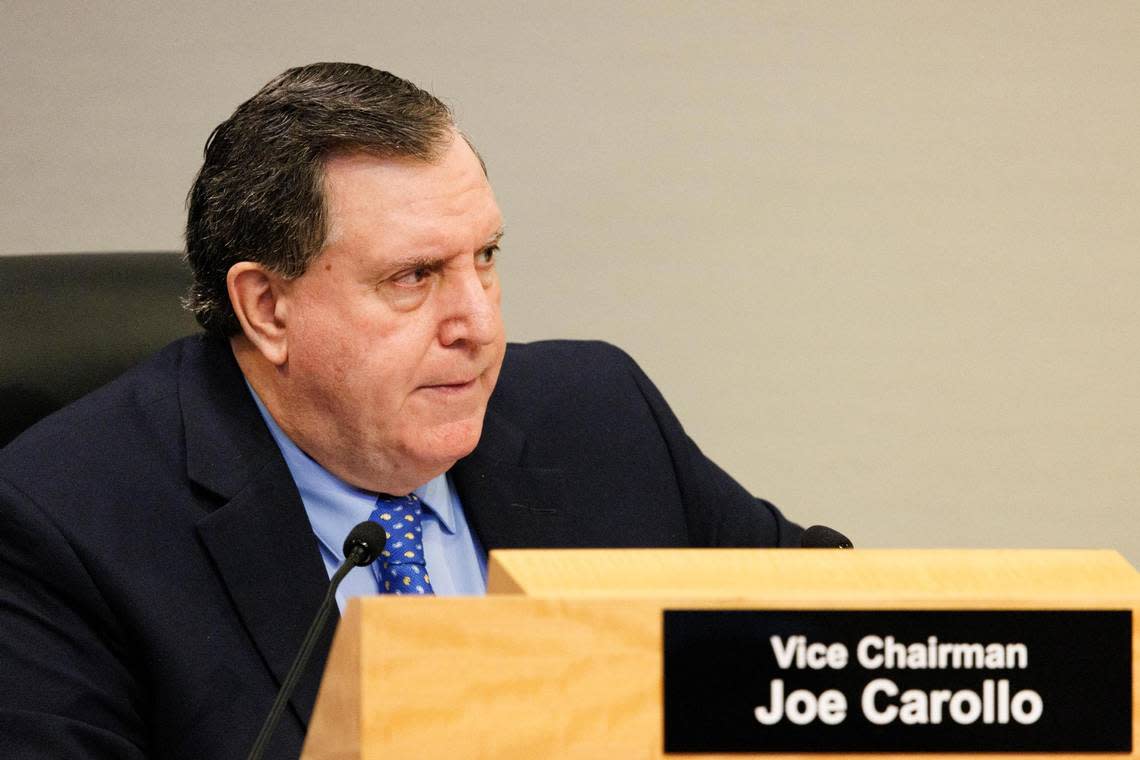
Joe Carollo went shopping for a judicial miracle and walked out with a receipt that reads: “No.”
This week, the U.S. Supreme Court (the one with the marble columns and the lifetime job security) refused to hear Carollo’s appeal, meaning the $63.5 million verdict from the Ball & Chain retaliation case stays exactly where it is: parked on his tab.
Miami politics loves a comeback story.
The Supreme Court just said: try a different genre.
The 10-second summary (for people who don’t read, but vote)
- Two Little Havana business owners said Carollo used city power like a personal remote control after they backed his opponent and sued him for First Amendment retaliation.
- A jury agreed. The bill: $63.5 million.
- Carollo appealed...... A lot.
- Now the Supreme Court has effectively responded with: “We’re not doing this today.”
Backstory: How a political grudge allegedly became a city workflow
This whole mess traces back to a very Miami concept: “You supported my opponent? Interesting. Let me introduce you to bureaucracy.”
According to the business owners (including William Fuller, co-owner of Ball & Chain, and Martin Pinilla), after they supported Carollo’s political rival, Carollo allegedly weaponized city resources—think code enforcement and other city levers—to make life miserable for their businesses in Little Havana.
So they sued in federal court, saying it was First Amendment retaliation—punishment for political speech and association.
And in June 2023, after a trial, a jury found Carollo liable and dropped the kind of verdict Miami understands fluently: $63.5 million in compensatory and punitive damages.
That’s not “oops.”
That’s “write your name on this and think about your choices.”
The appeal tour: “Surely the next court will love me”
Carollo appealed, and a big theme was his claim of jury tampering—the kind of allegation that sounds dramatic because it is dramatic.
The 11th Circuit ultimately affirmed the trial court’s handling of that issue, and dismissed the rest of his appeal for procedural/jurisdiction reasons (a truly Miami ending: the paperwork matters).
So then came the final boss: Supreme Court.
And on the Court’s March 2, 2026 order list, the entry shows it plainly:
25-771 CAROLLO… — cert denied.
Translation: The verdict isn’t “under review.”
It’s underlined.
The taxpayer subplot (because Miami never misses a chance to invoice the public)
Here’s the part that makes regular residents sigh into their steering wheels on the Palmetto:
Local reporting notes Miami taxpayers have already eaten millions in legal costs tied to Carollo’s situation—money that does not fill potholes, reduce flooding, or make anyone’s insurance premium stop doing CrossFit.
So yes: a case about alleged retaliation against private businesses can still come with a side order of public expense.
Miami multitasks like that.
The takeaway
Miami politics loves to say it’s about “service.”But this case is what happens when “service” allegedly becomes selective enforcement with a personal soundtrack.
Carollo tried to get the Supreme Court to bail him out.
The Court didn’t write an essay.
It didn’t host a press conference.
It didn’t even pretend to be interested.
It just hit DECLINED, and kept walking.
If Miami’s political class needed a reminder that “because I can” is not a legal defense—congratulations. The bill arrived.

Comments ()