
Miami Broke Up With Ultra. Now It Wants a 20-Year Commitment
Miami is reportedly considering a long-term deal (up to 20 years) to keep Ultra Music Festival (UMF) at Bayfront Park — which is hilarious, because we all remember when the city basically said, “It’s not you, it’s your bass,” and kicked the relationship into chaos.
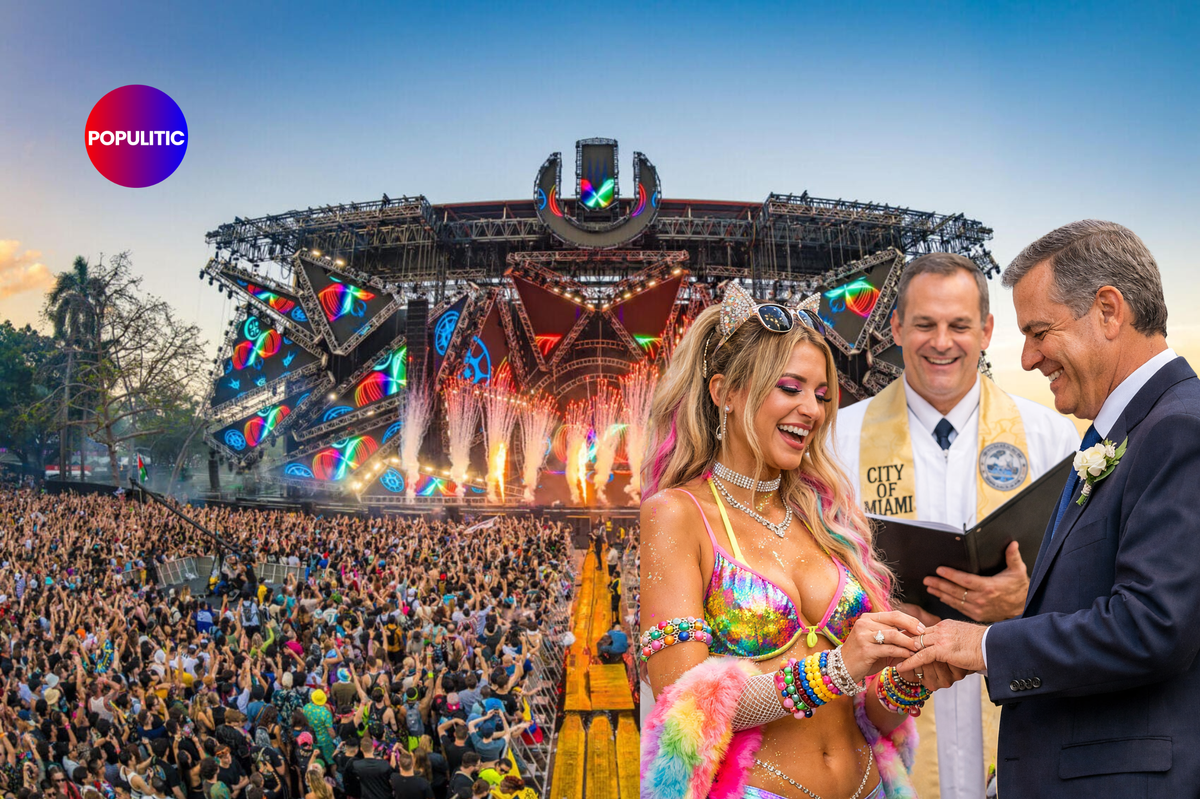
Miami is reportedly considering a long-term deal (up to 20 years) to keep Ultra Music Festival (UMF) at Bayfront Park — which is hilarious, because we all remember when the city basically said, “It’s not you, it’s your bass,” and kicked the relationship into chaos.
Now the proposal is getting pushed to a later commission meeting for public input, because nothing says “stable partnership” like waiting until the last second to discuss the contract for the one weekend that turns Downtown into a glittery, three-day economic engine.
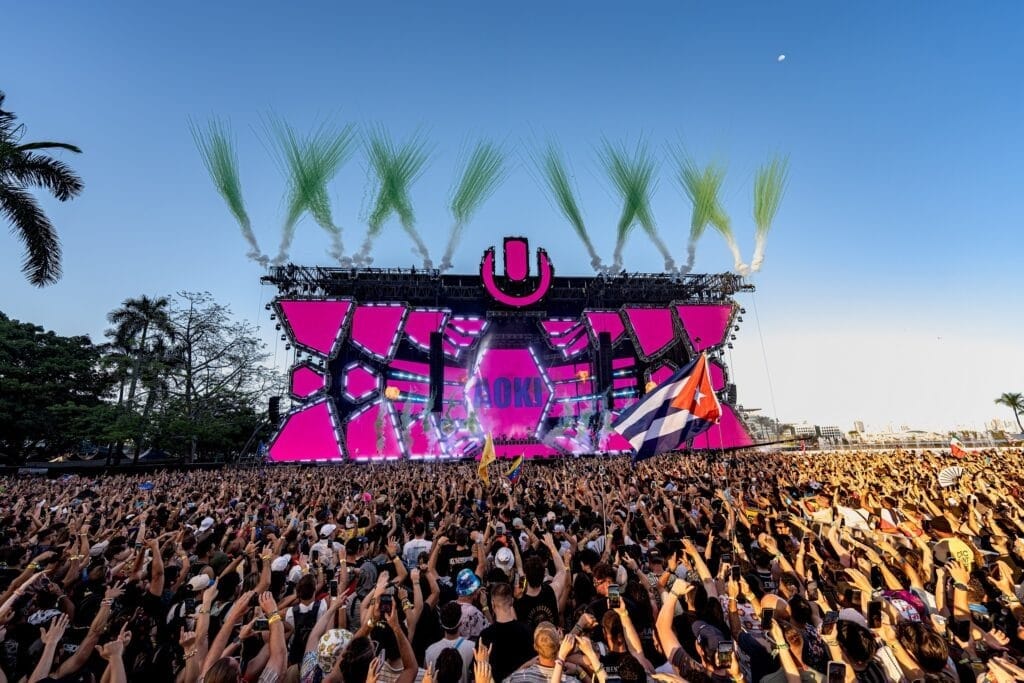
The 20-year question: why now?
Because Miami finally understands what it almost lost: a global event that prints money locally.
The festival’s economic impact is routinely described in “are you serious?” numbers. One recent figure cited for 2024 is over $207 million in local economic impact.
And over the festival’s long run, cumulative impact has been described as approaching $3 billion.
That money doesn’t just land in one place. It hits:
- hotels (and every “dynamic pricing” algorithm in a 20-mile radius),
- restaurants,
- rideshare and transit,
- nightlife,
- vendors,
- and every small business that suddenly sees its “slow season” turn into a cash geyser.
So yeah — Miami is looking at a long deal the way it looks at beachfront property: expensive, loud, inconvenient… and impossible to ignore.
The 2019 breakup: when Ultra moved to Virginia Key and Miami learned what “logistics” means
This whole storyline exists because of the messy chain reaction:
- Ultra gets bounced from Bayfront Park after the city rejected its contract bid in 2018. In September 2018, the Miami City Commission basically decided Bayfront Park had heard enough bass to last several lifetimes and voted down Ultra’s return there for 2019, after years of complaints about noise, disruption, and the annual “is Downtown a neighborhood or a nightclub?” identity crisis.
- The festival moved to Virginia Key in 2019. Ultra got pushed to Virginia Key in 2019, where the transportation plan promptly turned into a live-action obstacle course, with attendees stuck and many walking miles back across the Rickenbacker Causeway.
- Transportation imploded. Tens of thousands ended up walking about 2.5 miles across the Rickenbacker Causeway after transit broke down.
- Then Ultra announced it was leaving the city and voluntarily terminated its agreement. By May 2019, after that logistical circus, Ultra said this relationship was no longer working and terminated its agreement with the city — which is a very classy way of saying Miami dumped Ultra, Ultra tried dating an island, and everyone ended up regretting it.
That was the weekend Miami learned a simple truth:
If you put a major festival on an island with one main access route and your transportation plan is “good luck,” people will remember.
The funniest part: Miami instantly wanted Ultra back
After Ultra said it was leaving, the energy in Miami shifted fast. When city of Miami Beach found out that Ultra had broken up with City of Miami, it showed up dressed in a full bikini, flirting with Ultra Music Fest like a typical Kendall babe at brunch, loving the spotlight right up until the relationship got a little too loud in public. Then City of Miami found and suddenly the city that had been clutching pearls about noise and “aesthetics” started sounding like a toxic ex who just saw you thriving at Sexy Fish in Brickell:
- “Wait—where are you going?”
- “Who told you you could leave?”
- “Be serious. Come back.”
And despite the breakup statement, the departure didn’t last. The pandemic scrambled everything, schedules shifted, and eventually Miami and Ultra worked out a return.
By 2022, Ultra was back at Bayfront Park — with an agreement that runs through 2027.
So yes: Miami broke up with Ultra… and then spent the next few years trying to “talk.” Very on brand.
Why a 20-year deal makes Miami nervous (and why it still might happen)
A deal that long doesn’t just lock in an event. It locks in the annual fight about:
- noise,
- park closure time,
- traffic,
- quality-of-life complaints,
- and the eternal Downtown debate: “Is this a world-class city or a quiet neighborhood?”
Recent coverage of the proposed extension includes complaints about Bayfront Park being disrupted for weeks around buildout/teardown, plus the usual noise and traffic issues.
But Miami also knows the counter-argument: Ultra isn’t a random weekend party. It’s a predictable, repeatable economic booster — and cities don’t casually give those up anymore.
The real takeaway
If Miami signs a 20-year deal, it’s not because the city suddenly fell in love with EDM.
It’s because Miami finally realized something painfully obvious:
you don’t “manage” a global festival by threatening it every year like it’s a month-to-month tenant.
Ultra is either part of the city’s identity and economy… or it isn’t.
And if we’re being honest? Miami doesn’t need Ultra to be quiet. Miami needs Ultra to be organized, accountable, and worth the disruption — because the money is real, the tourism is real, and the global spotlight is real.
So yes, the city is considering a long-term commitment.
Because after 2019, Miami learned the hard way:
when you push a big event away, it doesn’t disappear — it just goes shopping for a new home… and leaves you staring at an empty calendar and a sad hotel occupancy report.

Comments ()