
Miami’s Election Time Machine Is Back — and This Time the Mayor Wants Less Time
This week’s episode: Mayor Eileen Higgins is backing a move that could shorten her own term by shifting the next mayoral election from 2029 to 2028, aligning Miami’s elections with bigger county/state cycles.
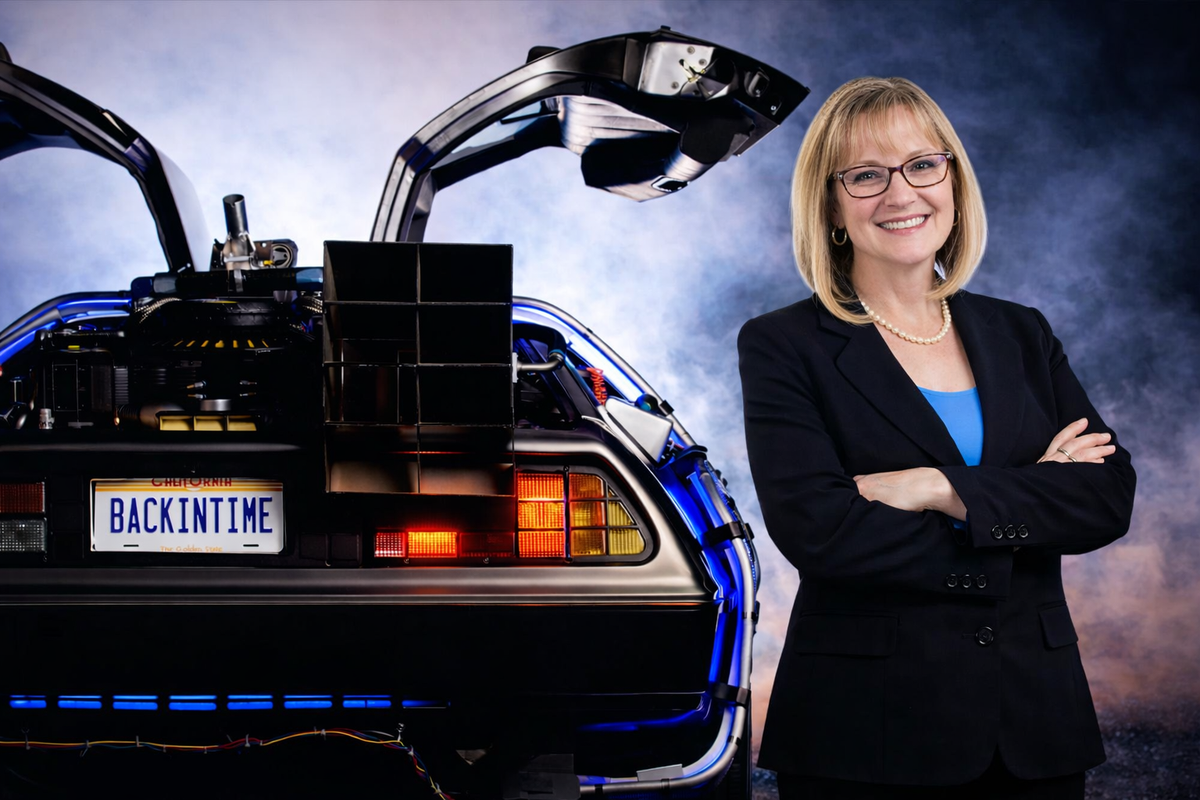
Miami politics has only two speeds:
- “We must protect democracy.”
- “Also, can we adjust the calendar real quick?”
This week’s episode: Mayor Eileen Higgins is backing a move that could shorten her own term by shifting the next mayoral election from 2029 to 2028, aligning Miami’s elections with bigger county/state cycles.
Yes, you read that right. Miami’s newest mayor is floating a plan that could cut her time in office.
And yes, this is the exact opposite of the Francis Suarez-era vibe, when the city commission tried to push elections back and effectively extend officials’ terms without voters signing off first—an effort that got smacked down in court as unconstitutional.
So congratulations to Miami: we’ve reached the rare political moment where the storyline is “shorten my time” instead of “extend my time.” Same time machine. Different direction.
The Higgins Pitch: “Let’s Sync the Calendar”
The basic argument being floated is the one politicians love because it sounds responsible even when it’s self-serving:
- Align city elections with higher-turnout election years
- Increase participation
- Reduce costs
Miami Today reports voters could be asked to shorten Higgins’ term as part of that alignment push.
WLRN also points to Higgins’ item as moving the mayoral election from 2029 to 2028, which would shorten her term—framed by some as a “service first” move compared to waiting years to align elections.
At the commission level, Miami Today reports commissioners deferred the item and kicked it forward for more work—because Miami can’t just do anything cleanly; it has to marinate in process first.
The Suarez Flashback: “Let’s Sync the Calendar… and Also Keep Our Jobs Longer”
Now for the contrast Miami refuses to stop serving us.
In 2025, Miami officials moved to delay the municipal election and extend terms—again using the “turnout and cost savings” logic—but without voter approval. That move triggered outrage and legal challenges.
Then the courts basically said: Nice try. No. A judge ruled Miami couldn’t delay the election without voter approval, and later coverage reinforced that the attempt to change the election date by ordinance (without a referendum) didn’t fly.
So here we are:
- Suarez-world = “Let’s move the election and extend terms.” (Court: “Absolutely not.”)
- Higgins-world = “Let’s move the election and shorten my term.” (Miami: “Hold on, we need a committee meeting about time travel.”)
The Populitic Translation: Miami Politicians Keep Playing With Time Like It’s a Zoning Variance
Miami government treats the election calendar the way Miami treats traffic laws: as a suggestion, updated seasonally.
And don’t get it twisted—this isn’t a morality play about who’s better. It’s Miami doing what Miami does:
- When the move benefits incumbents: “We’re modernizing democracy.”
- When the move doesn’t: “We’re modernizing democracy… but like, humbly.”
Either way, it’s always “for the people,” and somehow the people always find out about it after the politicians already tried it.
So Is Higgins Actually Being Noble?
Maybe! Shortening your own term is not the standard politician hobby. If voters end up being asked and approve it, it’s at least more transparent than trying to do it by ordinance and hoping nobody notices.
But Miami has earned its skepticism.
Because “aligning elections for turnout” is the kind of logic that can be used for anything. It’s the political equivalent of “my phone died” — it can be true, and it can also be a cover story.
The key difference is how it’s done:
- Voter-approved charter change? Annoying but legitimate.
- Calendar flip by ordinance because it’s convenient? Courtroom speedrun.
Final Take
Miami doesn’t just elect leaders. It hosts ongoing experiments in chronological manipulation.
First it was “Let’s extend time.”
Now it’s “Let’s shorten time.”
Next season will be “Let’s pause time,” followed by “Let’s blame time.”
Politicians in Miami continue to meddle with time travel… and the city commission keeps acting like the Flux Capacitor needs one more workshop before it’s ready.

Comments ()